Route of the Seven Lakes
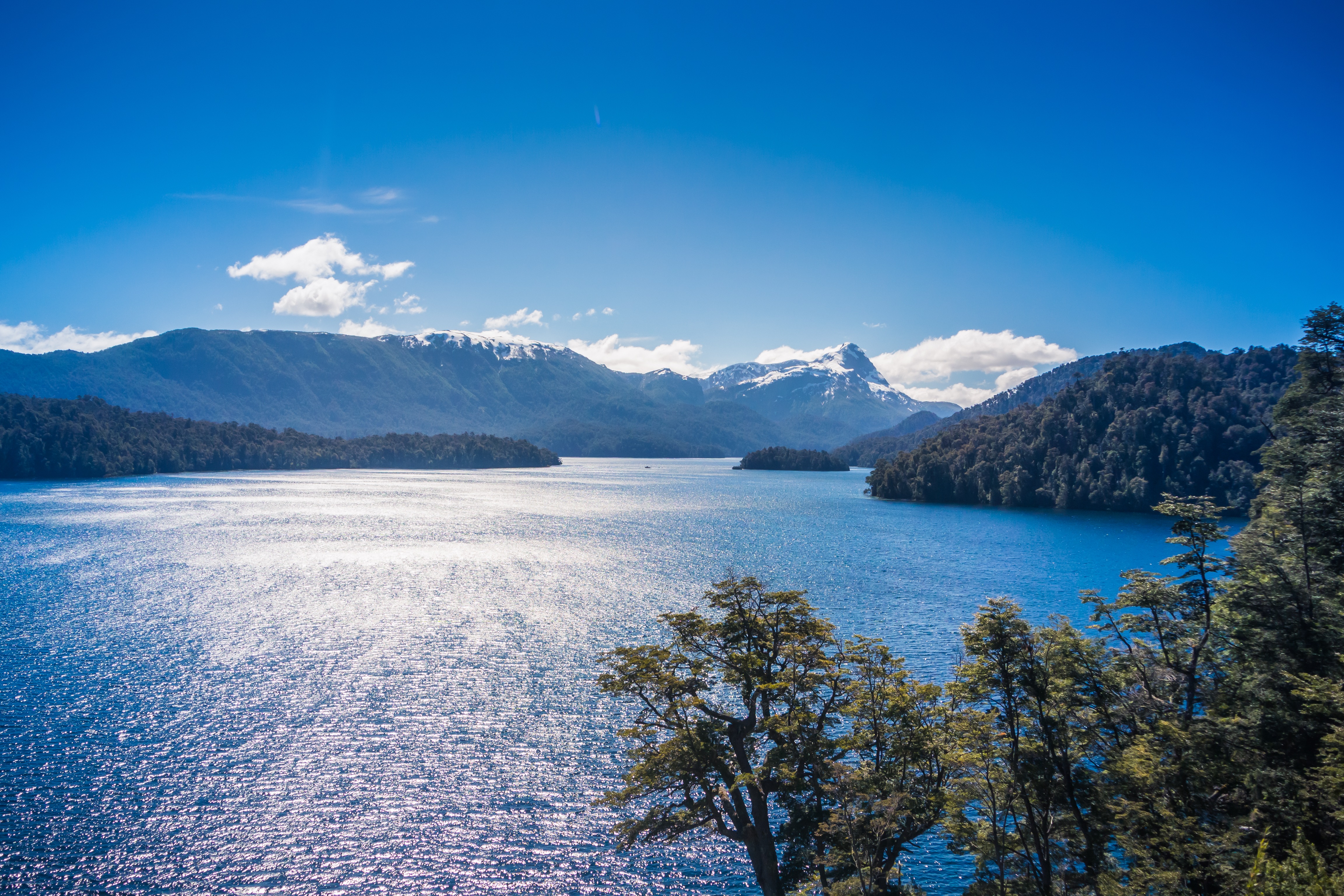
Crystal Waters Beneath Andean Peaks
The Ruta de los Siete Lagos is Argentina's most iconic scenic drive and one of South America's finest. This 107-kilometre stretch of Ruta 40 threads through the heart of the Patagonian Lake District, winding between the charming alpine towns of San Martín de los Andes and Villa La Angostura while crossing two national parks — Lanín and Nahuel Huapi. Despite its name, the route actually passes far more than seven lakes, each one a different shade of emerald, turquoise, or sapphire, set beneath snow-capped Andean peaks and surrounded by ancient forests of coihué, lenga, and araucaria. The road dips into valleys, climbs over forested passes, passes thundering waterfalls, and opens to viewpoints that stop you in your tracks. It is a drive where the destination barely matters — every bend reveals another lake more beautiful than the last.
Key Stops
San Martín de los Andes - The northern starting point and one of Patagonia's most charming towns. Set at the eastern tip of Lago Lácar, this intimate alpine village has a year-round appeal with excellent restaurants, chocolate shops, and a laid-back atmosphere. The lakefront promenade is perfect for a pre-drive stroll.
Lago Lácar - Your first lake, framing San Martín de los Andes with deep blue waters stretching west toward the Chilean border. Boat excursions run to Hua Hum at the far end of the lake, passing through pristine Valdivian rainforest.
Lago Machónico - The first lake encountered heading south. Of glacial origin, Machónico sits sheltered from strong winds, creating a mirror-calm surface ideal for kayaking. Mountain peaks dusted with snow rise directly from its shores.
Lago Hermoso - "Beautiful Lake" requires a 2 km detour down a bumpy side road — and every bump is worth it. Many travelers consider this the most beautiful lake on the entire circuit: small, intimate, its shores blanketed in native forest of coihué, lenga, ñire, and rare raulí trees.
Cascada Vullignanco - Between the lakes, this roadside waterfall splits into two veils plunging over 20 metres down a rock face. A short walk from the pulloff leads to the viewpoint — a refreshing stop.
Lago Falkner - The easiest lake to access — it sits right alongside Ruta 40, so you simply pull over and enjoy. A sandy beach invites a swim in summer. For the active, the Cerro Falkner trail (8.4 km out and back) climbs to panoramic views over the lake and surrounding peaks. A campground operates here in season.
Lago Villarino - Named after Spanish Royal Navy Captain Basilio Villarino who explored Patagonia in the 18th century. A popular fly-fishing spot for trout. Villarino and neighbouring Falkner are separated by a narrow isthmus and together form one of the route's most photographed scenes.
Lago Escondido - "Hidden Lake" is the smallest of the seven, tucked away and surrounded by dense coihué forest. The thick canopy reflects off the still water, giving the lake a distinctive emerald-green colour. Its secluded character makes it feel like a secret discovery.
Lago Espejo - "Mirror Lake" earns its name with waters so calm they perfectly reflect the surrounding mountains and forest. One of the most serene and photogenic stops on the route. Beaches along its shore are ideal for a quiet picnic.
Lago Correntoso - The largest of the seven lakes and the one with the warmest waters — a welcome invitation for a summer swim. The outlet stream, Río Correntoso, holds the distinction of being one of the shortest rivers in the world (just 300 metres). Excellent trout fishing.
Villa La Angostura - The southern endpoint of the classic Seven Lakes route. This upscale alpine village sits on the shores of Lago Nahuel Huapi and is known for its chocolate shops, boutique hotels, and the Arrayanes Forest — a grove of ancient cinnamon-barked trees on the Quetrihué Peninsula, reachable by boat or a 12 km trail.
Lago Nahuel Huapi - The grand finale. Patagonia's most famous lake stretches over 500 km² with its name deriving from the Mapuche language: "nahuel" (puma) and "huapí" (island). From Villa La Angostura, you can continue 50 km south along its shores to Bariloche.
Bariloche (optional extension) - Most travelers continue the 50 km from Villa La Angostura to San Carlos de Bariloche, the "Chocolate Capital" of Argentina, set spectacularly on Nahuel Huapi's southern shore beneath Cerro Catedral ski resort.
Driving Tips
- Road surface: The entire Ruta de los 7 Lagos is a paved, two-lane highway in good condition. Any standard rental car handles it comfortably. Some side roads to individual lakes (like Lago Hermoso) are unpaved but manageable — just watch for potholes.
- Take a full day: While the drive can technically be completed in 3-4 hours, rushing defeats the purpose. Plan a full day with stops for swimming, hiking, picnicking, and photography at multiple lakes.
- Direction: The route works equally well in either direction. Starting from San Martín de los Andes heading south keeps the lakes on your right (driver's side), making pulloffs easier.
- Fuel up before departing: There are no fuel stations between San Martín de los Andes and Villa La Angostura. Fill your tank before leaving either town.
- Winter chains: Between May and September, snow chains are mandatory. Check with your rental provider about chain requirements and 4WD availability. The route is drivable year-round but conditions can be icy in winter.
- Wind: Patagonian winds can be fierce, especially on exposed lakeside stretches. Keep a firm grip on the wheel and your car door when opening at pulloffs.
- Summer swimming: Lakes Correntoso and Falkner have the best beach access for swimming. Water is cold even in summer — refreshing on a warm day, bracing otherwise.
- Camping: Several lakes have designated campgrounds (Lago Falkner, Lago Correntoso). Campsites are open in summer and fill quickly in January — arrive early or book ahead.
- Fly fishing: The lakes and connecting rivers are world-class trout fishing destinations. A fishing permit is required and can be purchased in San Martín de los Andes or Villa La Angostura.
- Cycling option: The route is popular with cyclists. If driving, give cyclists wide berth on curves — they are frequent and share the road.
- Weather shifts: Mountain weather changes fast. Pack layers and rain gear even on sunny mornings. Afternoon clouds often build, so morning light produces the best lake reflections and photographs.
- For more information visit: larutanatural.gob.ar/en/must-see/48/route-of-the-seven-lakes