Costa Verde

Where Mountains Plunge into Turquoise Bays
The Costa Verde - meaning "Green Coast" - is Brazil's most spectacular coastal road trip. The BR-101, locally known as the Rio-Santos Highway, threads between the soaring Serra do Mar mountains and the Atlantic Ocean, delivering a constantly shifting panorama of jungle-clad peaks, white-sand beaches, turquoise bays, and hundreds of islands. This is where tropical Brazil meets colonial history, where Atlantic Forest spills down to the sea, and where you can alternate between surfing, hiking to waterfalls, tasting cachaça, and wandering UNESCO-listed cobblestone streets. The road was built in the 1970s and offers ocean views for much of its length, crossing sparkling rivers and passing both peaceful fishing villages and bustling resort towns.
Key Stops
Rio de Janeiro - The starting point needs little introduction. Before departing, soak in views from Sugarloaf Mountain and Cristo Redentor, walk Copacabana and Ipanema, and fuel up on feijoada. Head west via the BR-101.
Mangaratiba - About 90 minutes west of Rio, this quiet coastal town is the first taste of the Green Coast. The approach rounds a headland fringed with beaches - Praia Brava, Praia de Apara, and Praia de Santo Antônio. A good place for a first swim and coffee stop.
Angra dos Reis - A sweeping bay home to 365 islands. The colonial town preserves the 1593 Convent of Nossa Senhora do Carmo and the churches of São Bernardino de Sena and Nossa Senhora da Lapa da Boa Morte. From here, ferries depart for Ilha Grande.
Ilha Grande - The crown island of the bay, a car-free forested paradise of howler monkeys, hummingbirds, and pristine beaches. Lopes Mendes beach is routinely ranked among the world's best. Park your car in Angra or Mangaratiba and take the boat over. Worth an overnight or two.
Serra da Bocaina National Park - A mountainous wilderness smothered in Atlantic Forest just west of Angra dos Reis. Hike through canopy trails, watch spider monkeys, and swim beneath waterfalls along tributaries of the Mambucaba River.
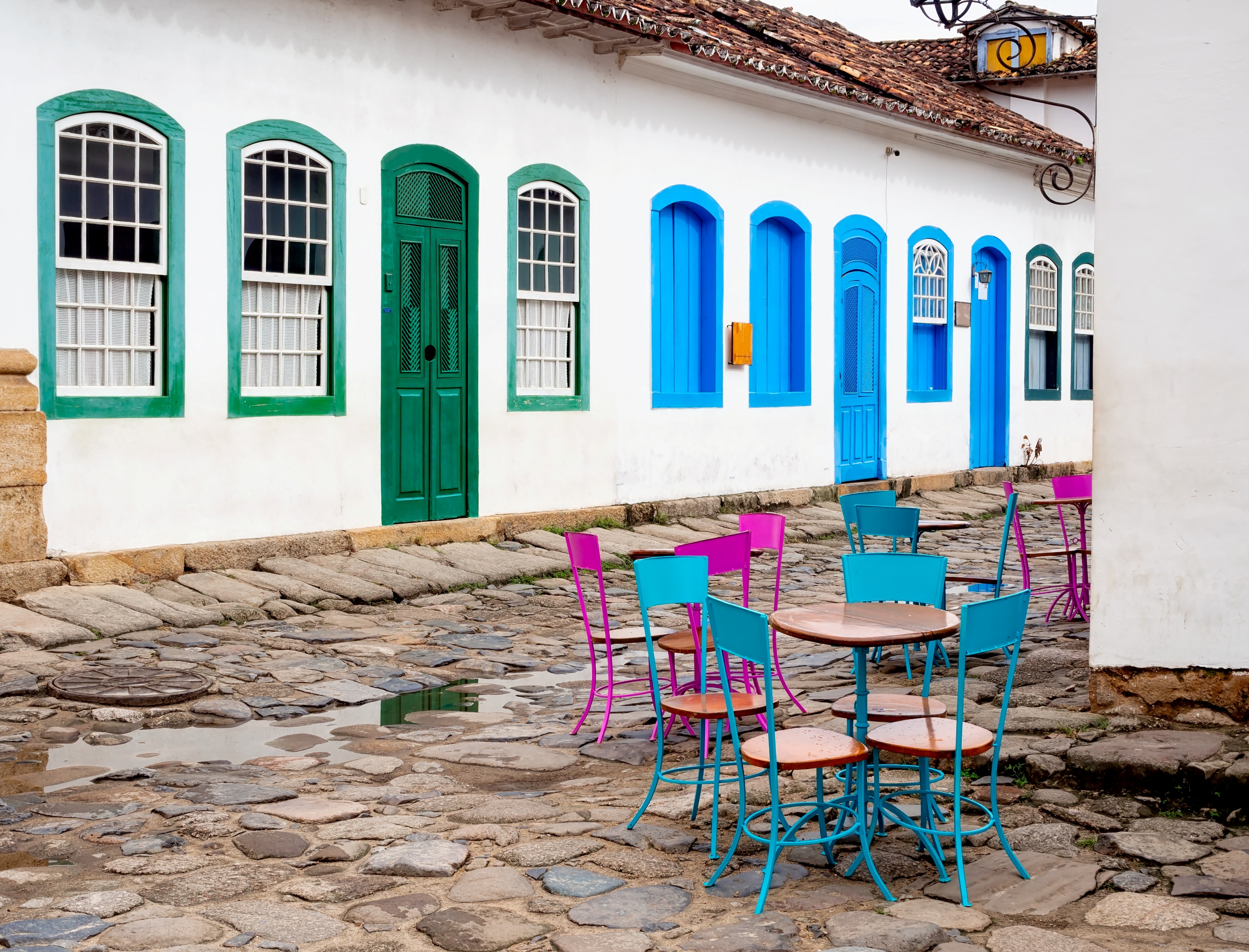
Paraty - The jewel of the entire route. This UNESCO World Heritage town (designated 2019, alongside Ilha Grande) features perfectly preserved low-slung Portuguese colonial buildings along car-free cobblestone streets that flood at high tide by design. Explore cachaça distilleries, kayak the bay, or visit the nearby Tobogã waterfall with its natural rock slide. Vila de Trindade, 40 minutes south, offers wild beaches.
Ubatuba - The "Surf Capital" of São Paulo state, with over 100 beaches ranging from sheltered coves to powerful reef breaks. Excellent diving and a worthwhile aquarium. The Picinguaba stretch of Serra da Bocaina meets the sea here.
São Sebastião - A historic town with a well-preserved colonial center and the ferry terminal to Ilhabela. The waterfront promenade is ideal for an evening stroll.
Ilhabela - "Beautiful Island," reached by a short ferry from São Sebastião. Known for sailing, diving, and over 300 waterfalls hidden in the Atlantic Forest interior. A popular weekend escape for Paulistanos.
Guarujá - The final stop before São Paulo, this beach resort city sits on an island with excellent surf beaches and sweeping Atlantic views.
Driving Tips
- Tolls: The BR-101 has free-flow (barrier-free) electronic toll stations between Ubatuba and Rio. An electronic tag (Sem Parar or ConectCar) avoids stopping and can offer discounts up to 70%. Without a tag, tolls are billed via license plate and cost approximately R$5.70 per gate.
- Traffic: Avoid departing Rio on Friday afternoons or returning on Sunday evenings - traffic to/from Angra and Paraty becomes extremely heavy on weekends and holidays. Midweek driving is far more relaxed.
- Trucks: Expect heavy truck traffic on certain stretches. Pull right and let aggressive drivers pass rather than speeding up. Stick to the speed limit - fixed, mobile, and handheld radar enforcement is common.
- Fuel and services: Fill up in towns. Stations are frequent but spacing increases between Paraty and Ubatuba.
- Parking for islands: Both Ilha Grande and Ilhabela require leaving your car on the mainland (Angra/Mangaratiba for Ilha Grande; São Sebastião ferry for Ilhabela). Plan secure parking in advance.
- Direction: Driving Rio to São Paulo gives you the ocean-side lane for better views, but either direction works well.
- For more information visit: visitbrasil.com