Costa Brava Drive
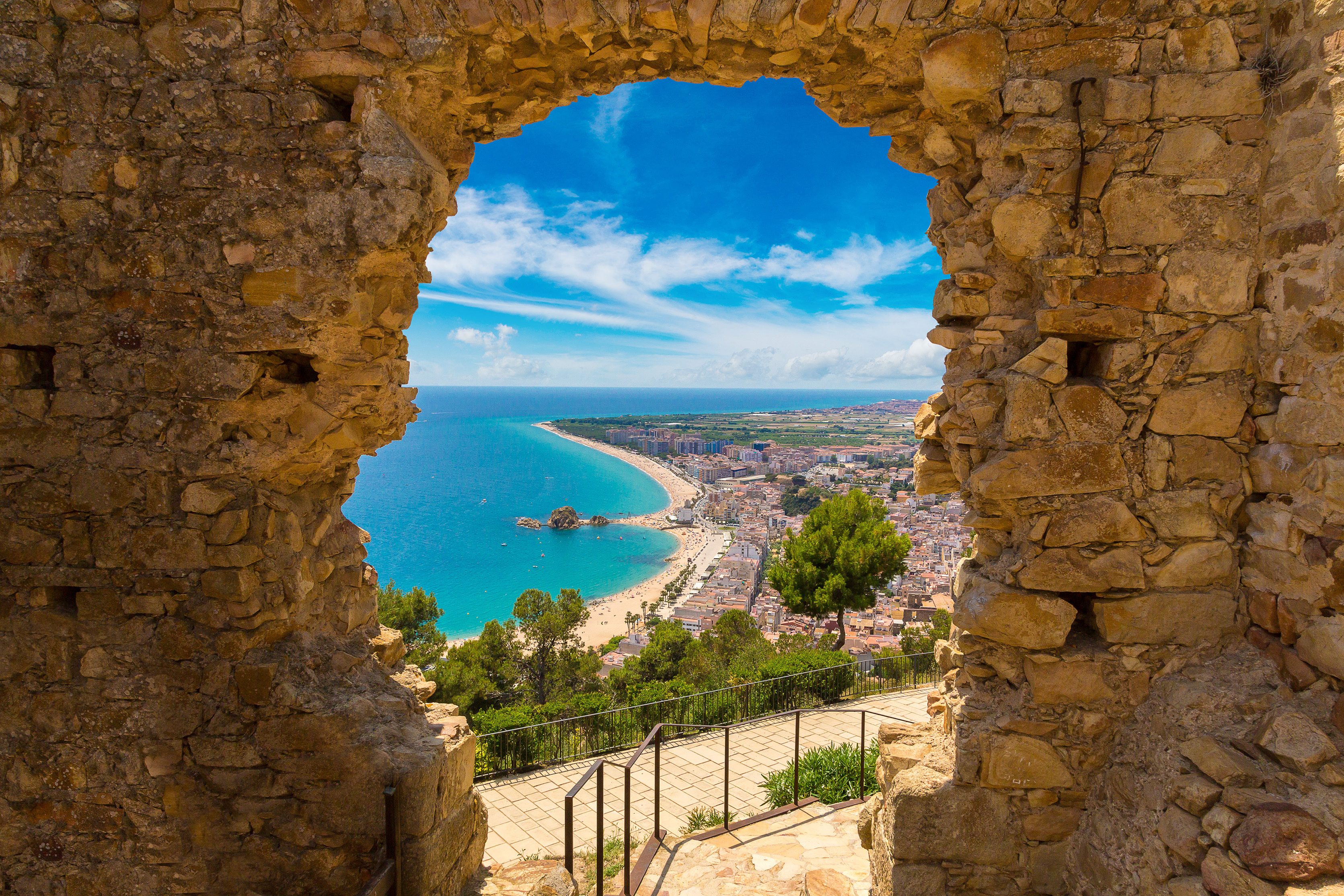
Spain's Wild Coast: A Mediterranean Journey Through Catalonia's Rugged Beauty
Hugging the dramatic cliffs of Spain's northeastern coast, the Costa Brava drive is one of Europe's most spectacular coastal routes. From the medieval fortress town of Tossa de Mar to the whitewashed artist's haven of Cadaqués, this journey along the "Wild Coast" delivers everything the Mediterranean promises—hidden coves with crystal-clear waters, ancient fishing villages clinging to rocky headlands, sweeping panoramas at every turn, and the surrealist legacy of Salvador Dalí woven throughout the landscape.
Key Stops
Tossa de Mar - Your journey begins beneath the medieval watchtower of this enchanting coastal town. The Vila Vella (Old Town) is the last surviving fortified medieval settlement on the Catalan coast, dating to the 12th century. Wander the winding stone streets within ancient walls, explore the castle towers, and enjoy the wide beaches backed by dramatic fortifications. The Camí de Ronda coastal path leads to hidden coves including Cala Bona, Cala Pola, and Cala Giverola.
Sant Feliu de Guíxols - After conquering the GI-682's curves, this elegant seaside town offers a more refined atmosphere with its beautiful Benedictine monastery, promenade, and excellent seafood restaurants.
Platja d'Aro - One of the Costa Brava's liveliest beach resorts, popular for its long sandy beach and vibrant nightlife.
Calella de Palafrugell - A picture-perfect fishing village with whitewashed houses, bobbing boats, and a series of small coves. One of the most scenic stretches of the entire Costa Brava.
Llafranc - A charming crescent bay with a beautiful beach, excellent restaurants, and the starting point for coastal walks. The lighthouse above town offers spectacular views.
Tamariu - The quietest of the trio of villages, with limpid turquoise water backed by thick pine woods. Perfect for a peaceful swim away from the crowds.
Aiguablava - A stunning cove with some of the bluest water on the entire coast—the name means "blue water" in Catalan.
Begur - A bustling hilltop town crowned by castle ruins, offering panoramic views over the coast. The surrounding area features some of the Costa Brava's most beautiful coves accessible by winding roads.
Pals - Step back in time in this magnificently preserved medieval village with Gothic defensive walls, centuries-old stone mansions, and cobbled streets. A perfect inland detour.
Torroella de Montgrí - Dominated by dramatic castle ruins perched high above, this historic town guards the entrance to the Ter River plain.
L'Estartit & Illes Medes - The coastal town of L'Estartit is the gateway to the Illes Medes marine reserve, a labyrinth of underwater tunnels and caves hosting over 1,400 species. One of the Mediterranean's premier diving and snorkeling destinations, with dives reaching 50 meters where rays and octopuses glide through crystal waters.
L'Escala - A pleasant seaside town known for its anchovies and the nearby Greco-Roman ruins of Empúries, one of the most important archaeological sites in Catalonia.
Parc Natural dels Aiguamolls de l'Empordà - A protected wetland nature reserve home to hundreds of bird species. A peaceful interlude from the coastal drama.
Castelló d'Empúries - A medieval gem with an old center dominated by the magnificent Gothic Església de Santa Maria, often called the "Cathedral of the Empordà."
Cap de Creus Peninsula - The easternmost point of the Iberian Peninsula, this wild and windswept headland inspired Salvador Dalí with its surreal rock formations. The lunar landscape feels like another world.
Port Lligat - Just outside Cadaqués, visit the Casa-Museu Salvador Dalí, the surrealist master's former home and studio. The quirky house overlooking a tranquil bay offers fascinating insight into Dalí's creative world (advance booking essential).
Cadaqués - The crown jewel of the Costa Brava and your journey's end. This whitewashed fishing village with its gorgeous harbor has long attracted artists and writers, including Picasso, Duchamp, and most famously, Dalí. Narrow streets, excellent galleries, and a bohemian atmosphere make this one of Spain's most charming towns.
Nearby Extensions
Figueres - Inland from Cadaqués, visit the extraordinary Dalí Theatre-Museum, the artist's final masterpiece and resting place. A surrealist pilgrimage.
Girona - Detour to this beautiful city with its iconic cathedral (featuring one of the widest Gothic naves in the world), the medieval Jewish Quarter, and colorful houses lining the Onyar River.
Sant Pere de Rodes - A stunning Romanesque monastery perched high above the coast near Port de la Selva, offering commanding views over the Cap de Creus.
Driving Tips
- Narrow Sections - Road width varies between narrow and very narrow. Be prepared to yield to oncoming traffic, especially on the GI-682.
- Allow Extra Time - What looks like a short distance on the map takes much longer due to the winding roads. Don't rush.
- Early Starts - In summer, the popular beaches and coastal towns become crowded by midday. Start early to enjoy them in peace.
- Parking Challenges - Villages like Cadaqués and Calella de Palafrugell have limited parking. Arrive early or use designated lots on the outskirts.
- Beach Gear - Pack snorkeling equipment. The clear waters and hidden coves are perfect for swimming and underwater exploration.
- Book Dalí in Advance - The Casa-Museu Salvador Dalí in Port Lligat requires advance reservation. Book online before your trip.
- Avoid Peak Summer - July and August bring crowds and traffic. Spring (April–June) and autumn (September–October) offer pleasant weather with fewer tourists.
- For more information visit: catalunya.com